California’s Green Mirage: The Hidden Cost of Clean Dreams
The IPUC may expose Idaho to California's Chaos
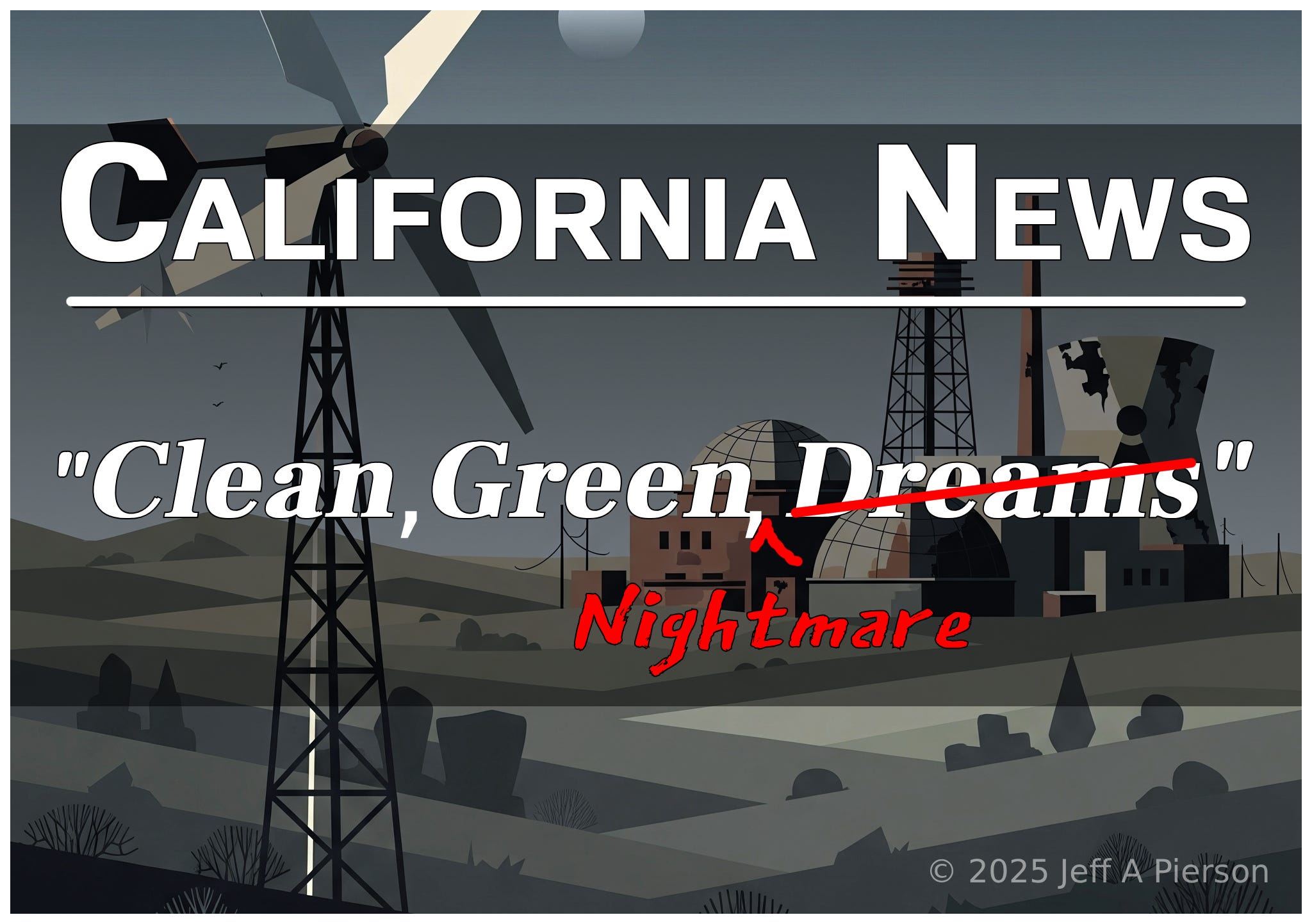
California once promised to lead the world into a carbon-free future. Two decades and billions of dollars later, that promise is being tested by a painful reality: clean energy has made the Golden State one of the most expensive places in the U.S. to keep the lights on.
In his recent Los Angeles Times essay, Joel Kotkin dismantles the myth that California’s energy crisis is a product of corporate greed or oil-industry price gouging. The real culprit, he argues, is policy, an overzealous climate agenda that has taxed, regulated, and incentivized its way into dysfunction.
According to Kotkin, energy costs in California are not merely high; they are self-inflicted. Gas averages $4.78 a gallon, nearly $1.60 above the national rate, while electricity costs have climbed to more than 30 cents per kilowatt hour, the highest in the continental United States. Those numbers are not the product of bad luck. They reflect a political class determined to reach 100 percent carbon-free electricity by 2045, no matter how much it costs working families.
The state’s green policies are producing what Kotkin calls energy poverty: a divide between those who can absorb the costs of an eco-luxury lifestyle and those who cannot. California’s Air Resources Board projects that incomes for residents earning under $100,000 a year will fall as a result of the transition, while wealthier households will see gains. The working class pays the price, literally, for the virtue signaling of those who can afford to feel good about it.
Kotkin also highlights a painful irony: the industries that once defined California’s innovation, including electric vehicles, batteries, and advanced manufacturing, are now moving to states like Texas and Arizona, where power is cheaper and regulations are lighter. The same policies meant to build a sustainable future are driving jobs, investment, and prosperity across state lines.
Meanwhile, the state’s appetite for electricity is exploding. Between EV mandates, data centers, and the growth of artificial intelligence, demand is expected to double by 2045. Goldman Sachs projects that energy use by data centers alone will grow 160 percent by 2030. Yet the state’s permitting gridlock and local opposition to wind and solar projects have left it facing an acute electricity shortage. The result is a paradox: the more California depends on renewables, the less reliable its grid becomes.
Kotkin warns that this trajectory leads not toward equality or sustainability, but toward what he calls a neo-feudal future, an economy dominated by the rich, serviced by the poor, and divided by the price of power. His proposed cure is not to abandon climate goals but to reintroduce realism: keep nuclear plants like Diablo Canyon running, use California’s own oil and gas reserves rather than importing 60 percent of its crude, and diversify energy sources rather than pretending solar and wind can carry the load alone.
California, Kotkin concludes, cannot prosper without reliable, affordable energy. Environmental purity may look noble in speeches and campaign ads, but in practice it has become a tax on ordinary life. The state’s greatest natural resource is not sunshine, it is common sense. And it is time to start using it again.
© 2025 Jeff A Pierson
Sources
- Originally published on Substack: https://jeffapierson.substack.com/p/californias-green-mirage-the-hidden